
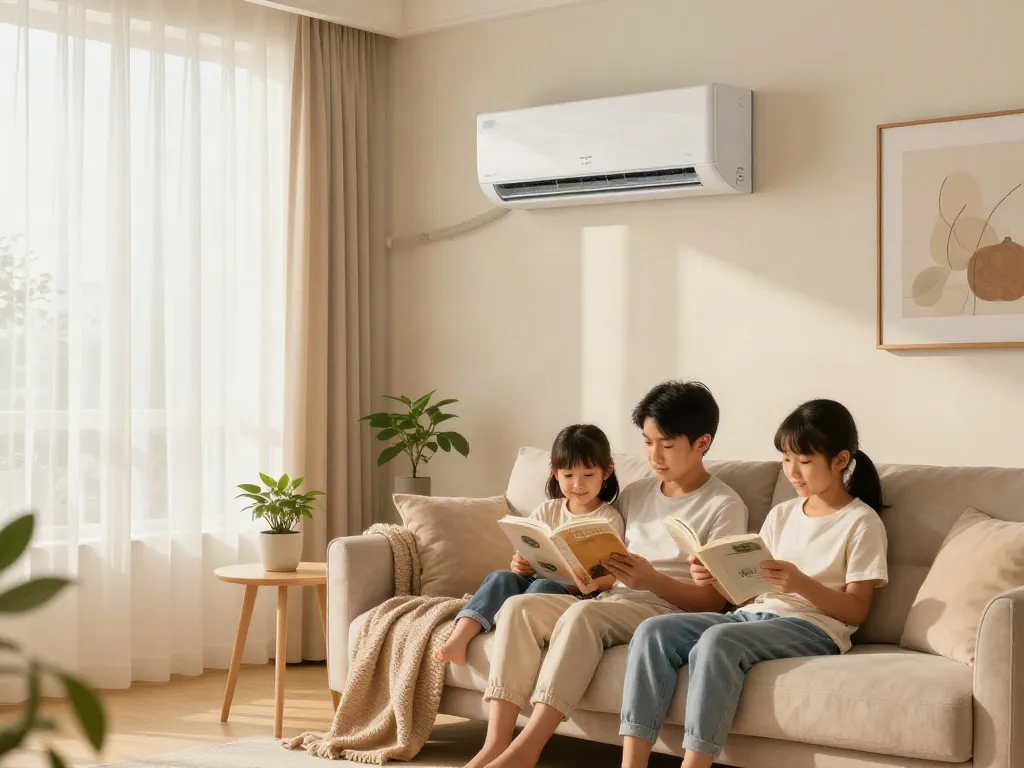
Understanding Mini Split Air Conditioners
As homes evolve and energy efficiency becomes more crucial, homeowners are increasingly turning to innovative climate control solutions. Among these, the mini split air conditioner stands out for its efficiency and versatility. Unlike traditional systems that require ductwork, mini splits provide both cooling and heating from compact, wall-mounted units, making them ideal for various living spaces. In this article, we will explore the ins and outs of mini split systems, including their benefits, installation processes, energy efficiency ratings, maintenance needs, and future trends.
What is a mini split air conditioner?
A mini split air conditioner is a ductless system designed to efficiently heat and cool specific areas within a building. It consists of two main components: an outdoor condenser unit and one or more indoor air-handling units. These systems use refrigerant lines to connect the indoor and outdoor units, allowing for effective temperature regulation without the need for ductwork. This unique setup offers flexibility in installation, making mini splits an attractive choice for homeowners looking to enhance their home comfort.
Benefits of choosing a mini split system
Mini split air conditioners come with numerous benefits that set them apart from traditional HVAC systems. Here are some key advantages:
- Energy Efficiency: Mini splits typically have higher SEER (Seasonal Energy Efficiency Ratio) ratings compared to conventional systems, leading to reduced energy bills.
- Flexible Installation: Their compact design allows for installation in a variety of spaces without major renovations.
- Zone Control: With multiple indoor units, homeowners can control the temperature of different areas independently, leading to enhanced comfort and savings.
- Quiet Operation: Mini split systems operate more quietly than traditional systems, which can be particularly beneficial in bedrooms and other quiet spaces.
How mini split systems compare to traditional HVAC
When comparing mini split systems to traditional HVAC systems, there are several factors to consider. Traditional air conditioning units often require extensive ductwork, which can be costly and inefficient. In contrast, mini splits eliminate the need for ducts, leading to quicker installations and lower installation costs. Additionally, ductless systems provide better energy efficiency since there is no energy loss through ductwork. This can result in significant savings on utility bills over time.
Installation Process for Mini Split Systems
Steps to install a mini split air conditioner
Installing a mini split air conditioner involves several crucial steps:
- Planning: Assess your space to determine the optimal locations for the indoor and outdoor units to maximize efficiency and comfort.
- Mounting the Indoor Unit: Secure the indoor unit on a wall and ensure proper alignment for both aesthetics and airflow.
- Connecting the Outdoor Unit: Install the outdoor unit on a stable platform and connect it to the indoor unit using refrigerant lines.
- Electrical Connections: Safely connect the power supply to the outdoor unit and ensure all wiring complies with local codes.
- Testing the System: Power on the system to ensure everything is functioning correctly before sealing up any access points for refrigerant lines.
Common installation challenges and solutions
While installing a mini split system is generally straightforward, certain challenges can arise:
- Space Constraints: Limited space can make it difficult to position the outdoor unit; utilizing wall-mounted brackets can provide a solution.
- Electrical Requirements: Ensure the electrical supply meets the system’s specifications; hiring a professional electrician can mitigate issues.
- Refrigerant Line Length: Excessive lengths can reduce efficiency; plan installations to keep lines as short as possible.
Cost considerations for installation
The cost of installing a mini split air conditioner varies based on several factors, including:
- Number of Indoor Units: More units will increase both equipment and installation costs.
- Labor Costs: Hiring professional installers can range from $1,000 to $3,000, depending on complexity.
- Additional Components: Consideration for any required electrical upgrades or additional materials.
Energy Efficiency Ratings and Performance
Understanding SEER ratings for mini splits
The SEER rating is a critical factor for determining the energy efficiency of mini split air conditioners. A higher SEER rating indicates a more efficient system, often translating into lower utility bills. Most mini split systems have SEER ratings ranging from 13 to over 20, with newer models featuring advanced inverter technology that can significantly enhance energy savings.
Factors affecting energy efficiency
Several factors can influence the energy efficiency of a mini split system:
- Installation Quality: Proper installation is essential; poorly installed units can lead to significant energy losses.
- Insulation and Sealing: Well-insulated spaces with sealed ducts or no leaks will experience better efficiency.
- Regular Maintenance: Routine checks and cleanings will help maintain system performance and efficiency.
How to maximize performance in your home
To ensure your mini split system operates at peak performance, consider these tips:
- Utilize programmable thermostats or smart controls to optimize usage based on your schedule.
- Regularly clean or replace filters to maintain optimal airflow.
- Seal any areas that may allow air leakage to improve overall efficiency.
Maintenance Tips for Mini Split Air Conditioners
Routine maintenance checks and procedures
Routine maintenance is vital for the longevity and efficiency of mini split systems. Homeowners should establish a regular maintenance routine that includes:
- Cleaning or replacing filters every month during peak usage.
- Checking the drain line for clogs to prevent water damage and inefficiency.
- Inspecting electrical components for any signs of wear and tear.
Signs your mini split needs professional service
While many maintenance tasks can be handled by the homeowner, certain signs indicate the need for professional service:
- Unusual noises during operation.
- Reduced cooling or heating efficiency despite regular use.
- Visible signs of refrigerant leaks or moisture around the unit.
DIY tips for keeping your system running efficiently
Several DIY tips can help you maintain efficiency and prolong the life of your mini split system:
- Keep the outdoor unit free from debris and obstruction to ensure proper airflow.
- Regularly check and clean the coils in both the indoor and outdoor units to enhance efficiency.
- Monitor the system’s performance and note any inconsistencies for early detection of issues.
Future Trends in Mini Split Technology
Innovations to expect in mini split systems by 2026
As technology advances, the mini split air conditioner market is poised for exciting innovations. Expect features like improved inverter technology, enhanced smart home integration, and higher efficiency ratings that can further reduce utility costs.
The role of smart technology in HVAC systems
Smart technology will increasingly be integrated into mini split systems, allowing homeowners to control their units via mobile apps, smart home assistants, and voice commands. This level of control can lead to significant energy savings and enhanced user experience.
Predicted consumer preferences and market changes
The growing demand for energy-efficient solutions and customization will likely shape the mini split market. Homeowners are expected to prefer systems that offer both heating and cooling, as well as those with integrated air quality features.
What are the most frequently asked questions about mini split air conditioners?
As interest in mini split systems grows, so do the questions. Here are some of the most common queries:
- What maintenance is needed for a mini split system? Regular filter cleaning, inspection for clogs, and checking refrigerant levels are crucial.
- What are the benefits of mini split vs. traditional AC units? Mini splits offer better energy efficiency, flexible installation, and zone control over traditional units.
- How much does it cost to install a mini split air conditioner? The installation costs can vary, generally ranging from $1,000 to $3,000 depending on the scope of work.
- Can I install a mini split air conditioner myself? While DIY installation is possible, hiring a professional ensures compliance with regulations and optimal performance.